Aging Foundations and Hidden Voids: Managing Pest Vulnerabilities in Older Birmingham Homes
Birmingham’s historic homes boast timeless craftsmanship, but settled masonry, open crawl spaces, and intricate woodwork present unique pest entryways. Here is how to protect older architecture without compromising its character.
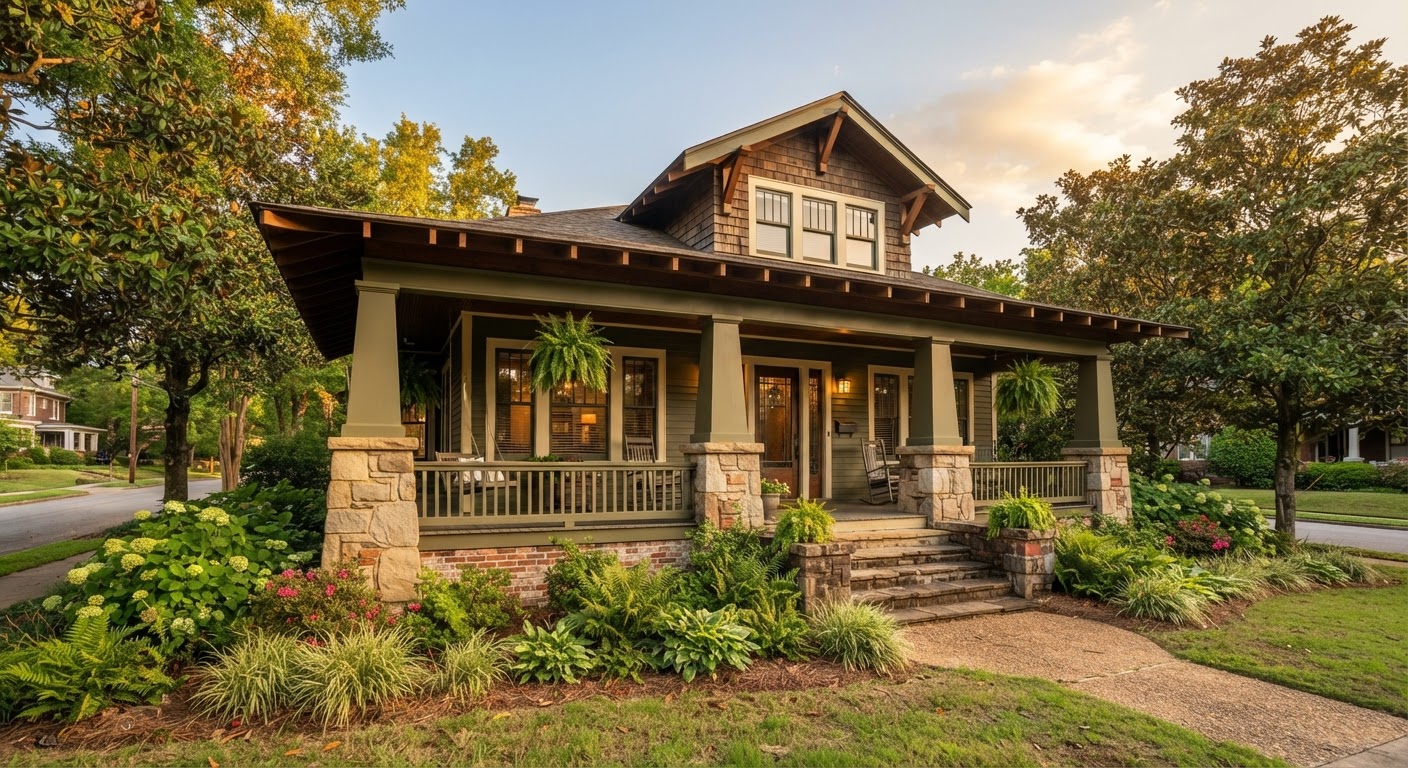
Across neighborhoods like Highland Park, Forest Park, Crestwood, and Southside, Birmingham’s architectural heritage gives the city its distinctive warmth. From sprawling Craftsman bungalows with broad overhangs to 1920s Tudor Revivals featuring intricate stonework, older homes offer undeniable character. Yet, behind original heart pine flooring, hand-cut stone foundations, and decorative millwork lies an unfortunate truth: historic building techniques and decades of natural settling create an open invitation for local pests.
Central Alabama’s humid subtropical climate keeps pest pressure consistently elevated for most of the year. When heavy rain, summer heat, or winter chills strike, rodents, subterranean termites, and opportunistic insects naturally seek shelter. For owners of historic properties, maintaining structural integrity and comfortable interiors requires understanding where older architecture is uniquely vulnerable and how to address these entryways without stripping the property of its historic charm.
Settled Masonry, Lime Mortar, and Foundation Breaches
Many of Birmingham’s older residences were constructed with stacked stone, regional sandstone, or handmade brick foundations set with historic lime-based mortar. Over fifty to one hundred years, natural ground settling in local red clay soils, combined with moisture intrusion, gradually deteriorates this mortar.
As the mortar crumbles, it leaves behind small voids that are easily exploited:
- Subterranean Termites: While termites cannot consume stone or brick, they need only a hairline fracture (as thin as 1/32 of an inch) to construct their protective mud tubes from the damp soil up to the wood framing above.
- Mice and Small Rodents: A standard house mouse needs a gap roughly the size of a dime to slip indoors. Missing chunks of mortar near grade level or behind foundation plantings often serve as concealed front doors.
- Cockroaches and Spiders: Cracks in foundational stone provide dark, humid harborages where pests can nest undisturbed before finding gaps into living spaces.
Addressing these gaps in historic structures requires careful attention. Modern Portland cement should rarely be smeared arbitrarily over antique masonry, as it can trap moisture inside the softer historic bricks and accelerate spalling. Repointing with a compatible, breathable mortar mix secures the perimeter against pests while preserving the masonry’s ability to release vapor.
The Complexities of Unconditioned Pier-and-Beam Crawl Spaces
Before concrete slab construction became standard, builders elevated Birmingham homes on brick or stone piers to encourage airflow and lift living areas away from damp soil. While this design historically aided in summer cooling, an unconditioned, open crawl space often becomes a haven for pests if left unmanaged.
Unlike modern homes that incorporate continuous sill plate gaskets and sealed perimeter stem walls, historic pier-and-beam structures frequently possess gaps between the top of the foundation piers and the heavy wooden sills. Furthermore, decades of structural repairs, plumbing upgrades, and electrical retrofits often leave uncapped holes through floorboards and subflooring.
Moisture control is paramount in these spaces. High ground humidity softens original framing timbers, making them exceptionally appealing to wood-destroying organisms. Subterranean termites gravitate toward wood that has been softened by long-term moisture exposure. Managing the crawl space through specialized ground covers, proper drainage diverting water away from the pier footers, and sealing penetrations around utility pipes prevents this lower zone from acting as an incubator for pests.
Upper-Level Vulnerabilities: Extended Eaves, Fascia, and Rooflines
The beauty of a historic Craftsman or Victorian home often lies in its roofline: exposed rafter tails, deep eaves, decorative corbels, and detailed dormers. However, these architectural features are prime targets for pests operating above ground level.
Overhanging branches from Birmingham’s dense canopy of water oaks and pine trees provide roof rats, mice, and squirrels a direct pathway to the upper elevations of the house. Once at the roofline, animals encounter structural vulnerabilities inherent to age:
- Fascia and Soffit Rot: Gutters clogged with oak leaves can spill water back against the fascia boards. Decayed wood at the roof’s edge is easily chewed through by rodents or exploited by carpenter bees.
- Unscreened Decorative Gable Vents: Historic louvered vents frequently feature degraded wire screen or gaps wide enough to allow rodents, bats, and paper wasps access directly into the attic.
- Gaps at Chimney Junctions: Because masonry chimneys settle at a different rate than the wood frame of the house, the flashing between chimney stone and roof decking often separates, creating an unmonitored entry corridor.
Securing these high-elevation zones requires durable materials that do not detract from the home's sightlines. Heavy-gauge galvanized wire mesh installed behind historic gable louvers keeps pests out while maintaining the airflow needed to moderate intense attic heat.
Lath, Plaster, and Hidden Wall Chases
Once a pest passes the outer building envelope, the internal construction of an older home facilitates rapid, undetectable travel. Modern construction relies on drywall mounted against studs with fire-blocking wood plates interrupting vertical channels. Historic homes, however, often feature wood lath and plaster walls with deep, continuous vertical cavities that extend from the foundation sill directly to the attic.
Additionally, as modern amenities were introduced to these properties over the decades, tradespeople cut chases through floors and walls for radiator steam pipes, cast iron plumbing stacks, and knob-and-tube wiring replacements. When pests enter these chases, they can navigate from the basement to the second floor without ever showing themselves in living areas.
Identifying and sealing these internal highways—particularly where old pipe chases penetrate basement ceilings and attic floors—is crucial. Using materials such as stainless steel mesh, copper mesh, and pest-resistant backing materials prevents rodents from traveling unseen through the interior skeleton of the structure.
Preserving Historic Integrity While Sealing Entryways
Pest exclusion on an older home is not the same as exclusion on a modern tract home. Standard techniques, such as using excessive amounts of yellow expanding foam on visible exterior surfaces, not only ruin historic curb appeal but also degrade rapidly under UV light and hold moisture against antique wood, inviting fungal rot.
A thoughtful exclusion strategy balances preservation and defensive pest control:
- Material Selection: Utilizing copper mesh instead of steel wool prevents rust stains on white-painted historic woodwork or light sandstone.
- Color-Matched, Flexible Sealants: Using elastomeric, paintable compounds that match existing trim and adapt to the natural seasonal expansion and contraction of old wood siding.
- Subsurface Termite Protection: Applying targeted termite defense treatments into the surrounding soil creates an unbroken barrier around aged perimeter foundations without needing to alter historic framing.
Maintaining a Resilient Historic Residence
Living in one of Birmingham’s historic neighborhoods means serving as a caretaker to local history. Protecting that investment requires vigilant observation of the foundation, roofline, and crawl space. By identifying deteriorated mortar, sealing gaps around utility lines, keeping roof perimeters clear of tree cover, and addressing hidden pathways, you can maintain your home's original craftsmanship while keeping destructive pests outside where they belong.
If you suspect that your older home has unaddressed entryways or shows signs of pest activity, Alder Crest Pest Control can help. Our team understands the construction methods found across Birmingham’s historic districts, providing thorough residential pest control, targeted rodent exclusion, and dedicated termite solutions designed to protect your home’s character and structural longevity.
Need help from Alder Crest Pest Control?
Contact our team to discuss your service needs in Birmingham and surrounding service areas.