Contaminated Insulation: Why Removing Rodents Is Only Half the Battle
Trapping rodents resolves the immediate invasion, but soiled attic and crawl space insulation leaves behind biological hazards, foul odors, and scent markers that draw future pests into your Birmingham home.
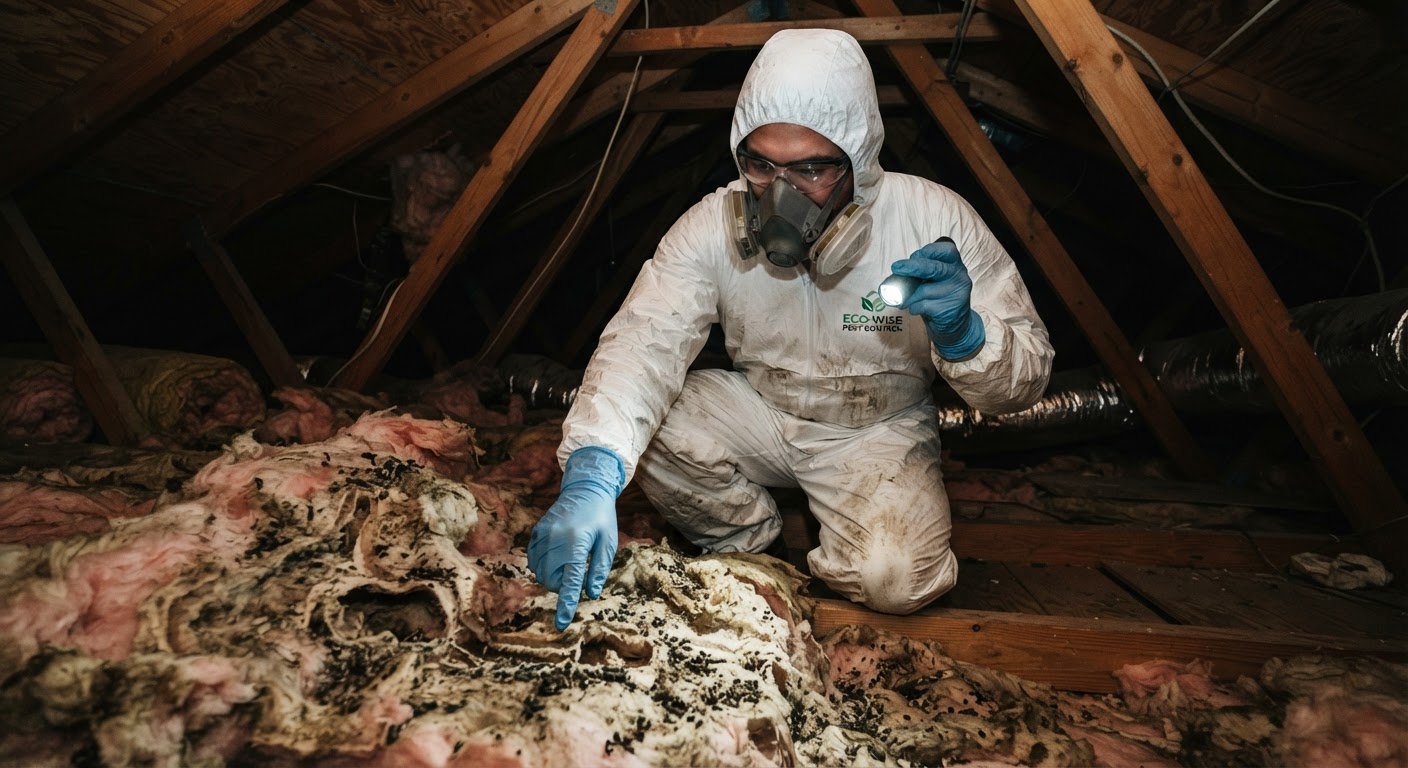
The Deceptive Silence After Rodent Trapping
When nocturnal scratching finally stops and the traps in the attic or crawl space remain empty, it is natural to assume the ordeal is over. Homeowners often breathe a sigh of relief once the immediate rodent population is eliminated. However, focusing solely on removing living pests overlooks a silent, lingering hazard: the insulation left behind.
Rats and mice do not merely travel through insulation; they live in it, defecate in it, and use it as nesting material. In Birmingham, where humid summers and mild winters cause attics and crawl spaces to fluctuate heavily in temperature and moisture, contaminated insulation becomes a breeding ground for biological pollutants. Simply clearing the animals out leaves your home vulnerable to air quality degradation, structural odors, and repeat infestations.
What Rodents Leave Behind in Your Insulation
Attic insulation—whether blown-in cellulose, loose fiberglass, or batts—acts like a massive sponge. When rodents establish harborage overhead or underneath living quarters, the material rapidly absorbs biological waste.
- Urine and Pheromone Deposits: A single mouse can produce thousands of micro-droplets of urine each day. Because rodent urine contains strong lipid-based chemicals, it does not simply evaporate cleanly. Instead, it saturates fiberglass and drywall, leaving behind a persistent musky scent.
- Fecal Accumulation: Rodent droppings dry out over time and break apart into microscopic particles. When disturbed by drafts, attic ventilation, or foot traffic, these fragments become airborne particulates that can carry bacteria and pathogens.
- Nesting Debris: Rodents shred surrounding insulation, cardboard, fabric, and vapor barriers to construct tightly packed nests where offspring are reared, consolidating moisture and biological matter into high-density pockets.
The Stack Effect: How Attic Air Reaches Living Spaces
Many homeowners believe that air in the attic stays in the attic. Building science demonstrates the opposite through a natural phenomenon known as the stack effect. In residential construction, warm air rises and escapes through attic vents or the roof ridge, drawing air upward from lower levels of the house. Conversely, during high air-conditioning use in Alabama summers, pressure differences and duct leakage can pull attic air down into living areas.
Recessed lights, attic hatches, plumbing penetrations, and HVAC ductwork running through unconditioned attic spaces are rarely completely airtight. If the attic insulation is coated in dried rodent feces and urine, small pressure differentials can draw contaminated air particles and foul odors directly into bedrooms, hallways, and living rooms. For family members with allergies, asthma, or respiratory sensitivities, this can trigger chronic irritation long after the rodents themselves are gone.
The Scent Trail That Invites New Infestations
One of the most compelling reasons to address damaged insulation is the biological trail rodents leave behind. Rats and mice possess an exceptional sense of smell and rely on pheromone trails to navigate and identify safe habitats. When rodents urine-mark an attic or crawl space, they leave a chemical beacon that communicates safety, shelter, and proximity to food.
Even if an exclusion service seals every visible entry hole along rooflines, soffits, and crawl space vents, secondary pests outside will still detect the scent radiating from ridge vents, gable vents, or subfloor gaps. These lingering pheromones motivate new rats, mice, or squirrels to chew fresh entry points through fascia boards, wood trim, or vent screens. Removing and sanitizing soiled areas eliminates the chemical blueprint that constantly invites outdoor rodents back into your structure.
Loss of Thermal Integrity and Higher Utility Bills
Beyond health concerns and re-infestation risks, rodents cause physical destruction that reduces the energy efficiency of your home. Insulation functions by trapping pockets of still air within loose or fibrous material. When rodents move in, they compromise this thermal barrier in two primary ways:
- Compaction and Tunneling: Rodents compress insulation as they trample runways and dig extensive subterranean tunnels through batts and loose-fill material. Flattened insulation loses its designated R-value, creating cold spots in the winter and allowing radiant heat to transfer into living spaces during sweltering Birmingham summers.
- Moisture Retention: Concentrated urine spots and nesting materials trap moisture against ceiling joists and subflooring. Damp insulation has virtually no insulating value and accelerates the rot of adjacent structural lumber.
Secondary Infestations: The Parasites Left Behind
Wild rodents rarely travel alone. They carry external parasites, including rodent mites, fleas, ticks, and carpet beetles. When the host rodents are trapped and removed, these parasites are left without a primary food source.
As nests grow cold, mites and fleas migrate outward from contaminated insulation into nearby drywall seams, ceiling fixtures, and duct registers, eventually seeking alternative hosts within the household. Thorough remediation requires removing the contaminated harboring material to break the life cycle of these secondary pests before they disperse through the interior of the home.
Steps in Professional Insulation Remediation
Resolving an attic or crawl space after a rodent infestation requires a structured approach to ensure the home is safe and sanitary:
- Detailed Inspection: Technicians inspect the full perimeter and depth of the insulation to map out contamination zones, damaged ductwork, and chewed electrical wiring.
- Controlled Extraction: Contaminated insulation is vacuumed out using high-powered, commercial-grade negative pressure equipment vented safely outdoors. This prevents particulate dust and dried pathogens from settling into the home’s living spaces during removal.
- Sanitization and Deodorization: Once the framing, decking, and drywall are exposed, the surfaces are treated with specialized antimicrobial and enzymatic solutions to neutralize pathogens, breakdown uric acid crystals, and destroy scent markers.
- Re-Insulation: Fresh insulation is installed to modern depth and R-value specifications, restoring the home's thermal envelope and stabilizing interior energy consumption.
Protecting Your Home for the Long Term
Dealing with rodents is a multi-step process that only begins with trapping. Ensuring that damaged, contaminated insulation is systematically removed and replaced prevents long-term respiratory irritants, eliminates biological odors, and erases the scent signals that draw future pests to your roofline. If your home has recently experienced a rodent issue, having your insulation inspected is a vital step toward fully restoring a clean, healthy living environment.
If you suspect rodents have damaged the insulation in your attic or crawl space, contact Alder Crest Pest Control today to schedule a thorough inspection and protect your home from long-term pest hazards.
Need help from Alder Crest Pest Control?
Contact our team to discuss your service needs in Birmingham and surrounding service areas.