Reclaiming the Porch: How to Deter Wasps and Mud Daubers from Eaves This Spring
Learn why wasps and mud daubers target Birmingham porches and eaves every spring, and discover practical deterrence methods to keep your outdoor spaces comfortable and sting-free.
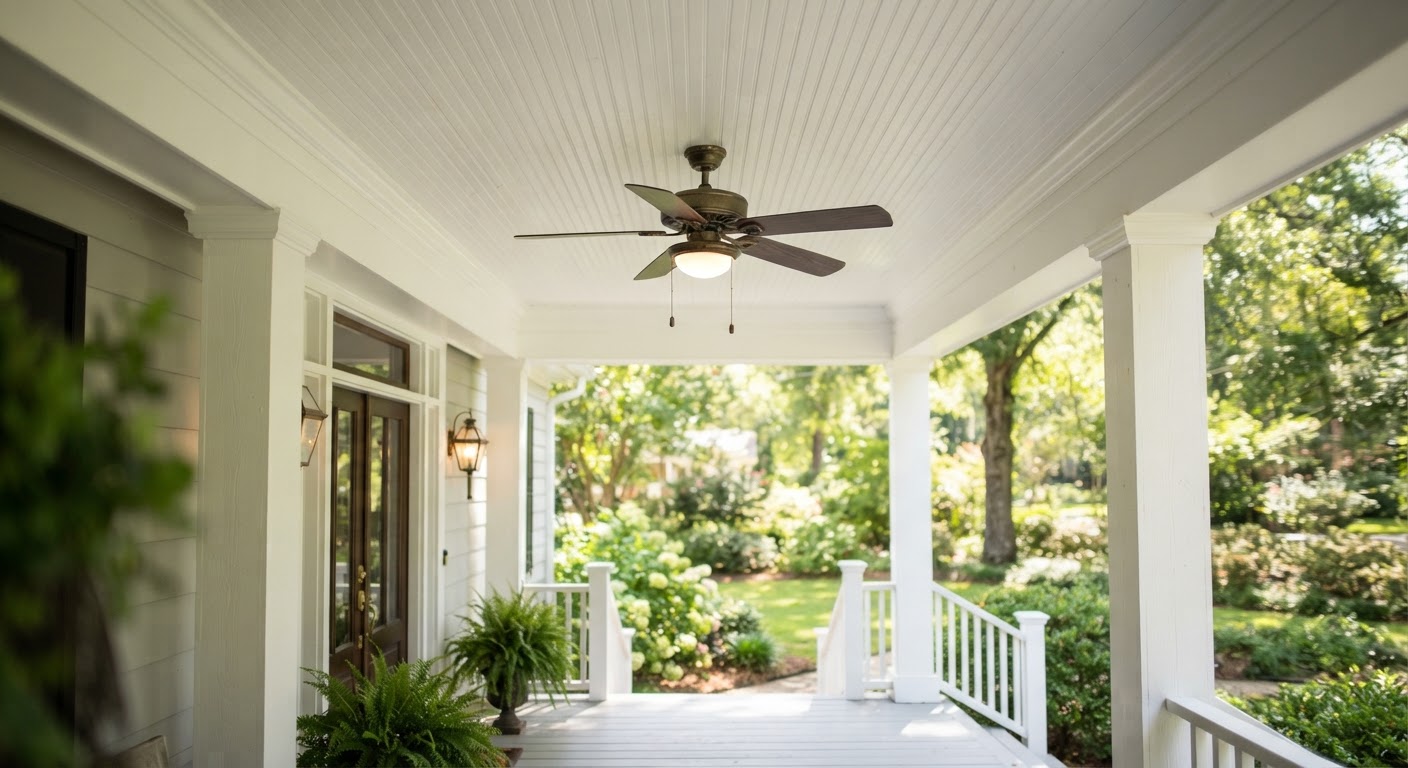
As spring settles across central Alabama, outdoor living spaces become the centerpiece of the home. Covered porches, porticos, and deep overhangs offer welcome shade from the rising heat, but they also offer something else: prime real estate for stinging insects. Every March and April, mated queen wasps and solitary mud daubers emerge from winter dormancy, searching for dry, sheltered structures to anchor their new nests.
By early summer, a neglected porch ceiling or second-story eave can turn into a gauntlet of darting insects, unsightly mud tubes, and painful sting hazards. Preventing these pests from claiming your outdoor living areas requires an understanding of what draws them in, how to alter your environment to discourage them, and when to seek targeted residential pest management.
Why Birmingham Porches and Eaves Attract Spring Nesters
To a foraging wasp or mud dauber, residential architecture closely mimics the natural cliff faces, rock overhangs, and cave mouths their ancestors used for nesting. Covered porches and roof eaves provide three essential elements that support insect survival during the Alabama spring:
- Weather Protection: Birmingham’s spring season brings frequent rainstorms and gusty winds. Deep porch ceilings, soffits, and fascia boards shield delicate nests from rain that could dissolve paper or wash away uncured mud.
- Thermoregulation: High overhangs trap heat rising from the home and ambient air, creating a stable, warm pocket that accelerates the development of eggs and larvae.
- Abundant Nesting Materials: Wasps gather cellulose by chewing untreated wood from fences, decks, and outdoor furniture. Mud daubers take advantage of the region's ubiquitous damp red clay, scooping up wet soil from flower beds, lawn edges, and downspout runoff to build their earthen nurseries.
Paper Wasps vs. Mud Daubers: Identifying the Threat
While both insects construct visible nests overhead, their behavior, nest architecture, and potential danger to your household are distinctly different.
Paper Wasps
Paper wasps build open, umbrella-shaped combs made from masticated wood fibers mixed with saliva. These nests hang downward by a slender central stalk and contain exposed hexagonal cells where larvae develop. Paper wasps are semi-social insects, meaning a colony grows throughout the spring and summer as worker wasps hatch and assist the queen.
While paper wasps provide some natural pest control by hunting garden caterpillars, they are territorial. If a nest is located near an entryway, porch fan, or seating area, normal human movement can trigger defensive attacks, resulting in painful, repeatable stings.
Mud Daubers
Mud daubers are solitary wasps recognized by their long, thread-waisted bodies and distinctive earthen architecture. Depending on the species, their nests look like cylindrical tubes lined up side-by-side (organ-pipe mud daubers) or rough, clumped patches of dried red mud plastered against masonry, vinyl siding, or wood framing.
Unlike paper wasps, mud daubers are docile and rarely sting unless caught in clothing or handled directly. Female mud daubers paralyze spiders, pack them into the mud cells as food for their offspring, lay an egg, and seal the chamber. However, their nests leave stubborn, dark red stains on stucco, brick, and paint. Furthermore, abandoned mud nests frequently attract secondary pests, such as carpet beetles, dermestid beetles, and even opportunistic paper wasps seeking a pre-built perch.
Practical Strategies to Deter Nesting This Spring
Discouraging wasps and mud daubers before they firmly establish colonies is far safer and more effective than confronting fully populated nests later in the summer. Implementing several proactive steps around your porch and roofline can dramatically reduce their activity.
1. Create Unfavorable Air Currents
Both paper wasps and mud daubers prefer calm, stagnant air to build their nests and maneuver into tight spaces. If your porch is equipped with ceiling fans, run them on a medium or low setting during warm spring days. The continuous airflow makes it difficult for wasps to hover, orient themselves, and adhere wet paper or mud to the ceiling surface.
2. Seal Recesses, Gaps, and Voids
Inspect the perimeter of your porch ceiling, eaves, and window trims for small gaps. Loose soffit panels, uncaulked siding joints, and spaces behind decorative trim boards are favored anchor points. Sealing these crevices with exterior-grade acrylic or silicone caulk limits protected anchoring spots and prevents wasps from migrating into attic spaces or wall cavities.
3. Maintain Smooth, Sealed Surfaces
Wasps struggle to secure their nest stems to slick, non-porous surfaces. Rough, unpainted cedar, weathered fascia boards, and peeling paint offer ideal textured surfaces for chemical adhesives and mud adhesion. Keeping your porch ceilings, beadboard, and rafters clean and coated with semi-gloss or gloss exterior paint makes it harder for insects to establish a sturdy anchor.
4. Manage Soil Moisture and Nesting Resources
Mud daubers require a steady supply of damp soil within flight distance of their nesting site. Check around your foundation for persistent mud patches caused by misdirected downspouts, leaking hose bibs, or over-irrigated landscape beds. Correcting drainage issues and covering exposed soil with pine bark or gravel limits the raw material mud daubers need to construct their cells.
5. Remove Residual Pheromones and Mud Traces
Wasps often return to the exact spots where colonies succeeded in previous years, guided by chemical markers left behind on the surface. If you scrape away an old paper wasp anchor or mud dauber tube, clean the area thoroughly with warm, soapy water or an exterior cleaning solution. Removing the physical residue and lingering scent traces discourages returning queens from choosing that exact beam again.
Safety Considerations for Nest Removal
If you discover active nests early in the season, address them while colonies are small. A single queen on a marble-sized comb is far easier to manage than a colony with dozens of defensive workers in July.
If you choose to address small, accessible nests yourself:
- Always work early in the morning or at dusk when temperatures are cool and insect activity is minimal.
- Wear protective clothing covering your arms, legs, and face.
- Never stand directly beneath a nest on an unstable ladder where a sudden insect flight could cause a fall.
- If anyone in your household is allergic to insect stings, do not attempt manual removal; hire a qualified professional.
The Advantage of Professional Residential Pest Control
For high roof peaks, second-story eaves, or persistent seasonal wasp activity, professional treatment provides reliable relief without the physical risk. Professional pest control technicians utilize specialized equipment to treat elevated eaves and difficult architectural angles safely from the ground.
Preventative barrier treatments applied directly to common nesting zones leave a transparent, long-lasting barrier that repels queens during their spring scouting flights. Additionally, comprehensive perimeter pest control reduces the local population of spiders, caterpillars, and other insects that serve as the primary food source drawing wasps toward your porch in the first place.
By taking early, preventative measures this spring, you can preserve your porch as a comfortable outdoor retreat and keep stinging pests from taking over your eaves.
If wasps or mud daubers are already claiming your porch ceilings and roofline, contact Alder Crest Pest Control today. Our residential pest control services protect your Birmingham home with thorough exterior inspections and targeted perimeter treatments designed to keep your outdoor spaces comfortable all season long.
Need help from Alder Crest Pest Control?
Contact our team to discuss your service needs in Birmingham and surrounding service areas.