The Aerial Highway: How Overhanging Trees Lead Rodents Directly into Your Attic
Mature shade trees add character to your property, but overhanging branches create an easy highway for roof rats and squirrels straight into your attic.
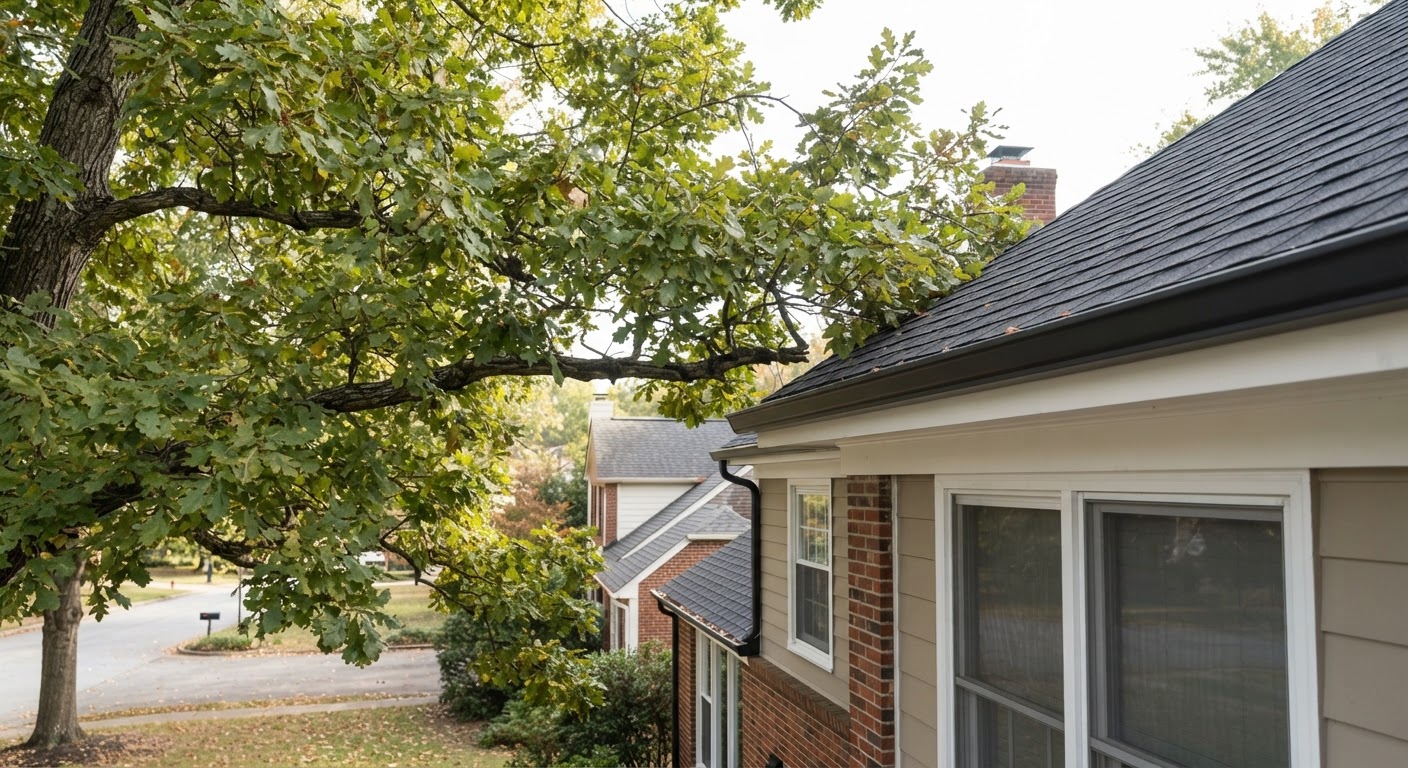
Birmingham is renowned for its lush tree canopy. From the towering water oaks shading historic streets to the dense pine ridges throughout surrounding neighborhoods, mature trees are an essential part of the local landscape. However, the very branches that provide welcome shade in the heat of summer can also create an unintended bridge between the natural environment and your home: an aerial highway for rodents.
When tree limbs stretch over rooflines, they eliminate the natural ground barriers that keep rodents at bay. Instead of having to dodge predators, negotiate concrete foundations, or search for ground-level gaps, roof rats and squirrels can simply walk across a branch and step directly onto your shingles. Understanding how these pests use your landscaping as a route into the attic is the first step in defending your home against costly structural infestations.
The Arboreal Habits of Roof Rats and Squirrels
Not all rodents behave the same way. While Norway rats typically burrow in the ground and mice often scurry along baseboards, roof rats (also known as black rats) and tree squirrels are naturally arboreal. In the wild, they spend the vast majority of their lives elevated off the ground, navigating tree canopies, foraging for nuts and seeds, and nesting in hollow trunks.
Roof rats are agile climbers equipped with long tails that assist with balance, allowing them to traverse telephone lines, fences, and thin tree branches with ease. Squirrels possess powerful hind legs that allow them to leap significant distances between limbs. To these animals, your home is not an unnatural barrier; it simply appears to be an unusually large, sheltered rock formation or hollow tree trunk complete with warmth, safety, and nesting materials.
How Tree Limbs Breach Your Home’s Defenses
A home's foundation is built to withstand weather and keep pests out, but rooflines are generally more vulnerable. Because attics require ventilation to prevent moisture buildup and regulate temperature, roofs naturally have openings that are protected only by thin wire mesh, plastic baffles, or decorative wood trims. Overhanging limbs expose these fragile components to pests in several ways:
- Eliminating Ground-Level Risks: A rodent traveling on the ground must evade neighborhood cats, dogs, birds of prey, and human activity. Overhanging branches offer a protected, elevated path directly to the quietest, least-disturbed part of your house.
- Bridging the Gap: A tree limb does not even need to touch the roof directly to pose a problem. A healthy roof rat can leap up to four feet horizontally and several feet vertically, while a squirrel can jump even farther. A branch hovering a few feet above a roof slope serves as a simple diving board.
- Creating Physical Wear: Heavy branches that brush against shingles during windy weather scrape away protective granules, loosen roof tiles, and crack fascia boards. This physical wear creates new points of entry or widens existing micro-gaps.
- Trapping Debris and Moisture: Branches drop leaves, twigs, and pine straw into valleys and gutters. This accumulated organic debris holds moisture against the roof deck and fascia, leading to wood rot. Soft, water-damaged wood is exceptionally easy for rodents to gnaw through.
Vulnerable Roofline Entry Points Rodents Exploit
Once a rodent steps off a branch and onto the roof, it begins searching for shelter. An attic emits heat and drafts of conditioned air through small structural gaps, guiding the animal toward warmer spaces. Some of the most common roofline vulnerabilities include:
Soffit Vents and Fascia Boards
Soffits are the underside surfaces beneath your eaves, often fitted with perforated panels or screens to allow airflow. If a soffit panel is loose or constructed from thin vinyl, a rat can easily chew or squeeze its way past. Fascia boards, the long horizontal boards behind gutters, frequently suffer from moisture exposure. When rodents find soft spots behind gutters, they can chew an entry hole in a matter of hours.
Roof Returns and Gables
Many traditional home designs include complex roof planes where gables meet lower rooflines, often referred to as soffit returns. These junctions frequently harbor small voids left behind during construction. To an agile rodent, these dark, hidden corners provide ideal spots to chew through wood decking out of view from ground level.
Ridge Vents and Attic Fans
Ridge vents run along the peak of a sloped roof to exhaust rising hot air. While they typically feature insect screens or baffles, plastic ridge caps are easily gnawed through by rodents seeking entry. Similarly, attic exhaust fans without heavy-duty internal wire screens offer a direct route into the attic cavity.
The True Cost of an Attic Infestation
Allowing rodents easy access to the attic creates severe risks for homeowners. Once inside, animals quickly establish nests and begin causing damage that extends beyond mere noise in the ceiling:
- Fire Hazards: Rodents have continuously growing incisors and must constantly gnaw on hard materials to keep them filed down. They regularly chew through the plastic insulation on electrical wiring, exposing live conductors and creating serious attic fire hazards.
- Insulation Contamination: Rodents compress, tear up, and soil blown-in and batt insulation with urine, droppings, and pheromone trails. Contaminated insulation loses its thermal efficiency and can harbor pathogens that compromise indoor air quality.
- Structural Damage: Squirrels and rats will chew through wooden rafters, support beams, PVC plumbing stacks, and flexible HVAC ductwork, leading to costly utility repairs and energy loss.
How to Eliminate the Aerial Highway
Preventing rodent intrusion requires proactive landscaping combined with structural protection. Taking the following steps will dramatically reduce the likelihood of roof-level infestations:
Maintain Proper Canopy Clearance
As a general rule, prune back all tree limbs so they maintain at least a six- to eight-foot clearance from the nearest point of your roof, gutters, and chimney. For fast-growing species or areas prone to high winds, a wider clearance may be necessary. Trimming limbs not only removes rodent bridges but also protects your roofing materials from physical storm damage.
Clear Climbing Vines
English ivy, creeping fig, and other climbing vines may add historic charm to exterior walls, but they act like a built-in ladder for rodents. Vines provide strong footholds that allow rats to run straight up masonry and siding to access the eaves. Keep exterior walls clear of dense climbing vegetation.
Keep Gutters Clean
Regularly clean pine needles, leaves, and standing water out of gutters. Clogged gutters trap moisture that softens fascia boards, and the damp debris provides nesting materials and water sources for pests wandering the roofline.
The Necessity of Structural Exclusion
While pruning trees is an indispensable preventive step, it is only half of the solution. Determined rodents can still scale rough brick walls, downspouts, or utility lines to reach a roofline. Once they find an existing opening or an area with heavy scent markings from previous pests, they will continually attempt to enter.
True, lasting protection requires professional exclusion: identifying every gap along the roofline, sealing entry points with chew-proof materials like heavy-gauge galvanized steel mesh and industrial sealants, and addressing any active populations inside the home. By combining smart landscape maintenance with thorough physical exclusion, you can keep your mature trees while ensuring your attic remains entirely off-limits to wildlife.
Protect Your Roofline with Alder Crest Pest Control
If you suspect rodents have found their way into your attic, or if you want to ensure your home is fully protected against roofline intrusions, Alder Crest Pest Control is here to help. Contact our team today to schedule a comprehensive rodent inspection and secure your home from the roof down.
Need help from Alder Crest Pest Control?
Contact our team to discuss your service needs in Birmingham and surrounding service areas.