Planning a Home Addition in Birmingham? What to Know About Termite Pre-Treatments
Expanding your living space requires careful planning, but neglecting termite pre-treatments during construction can leave your new foundation vulnerable to subterranean termites.
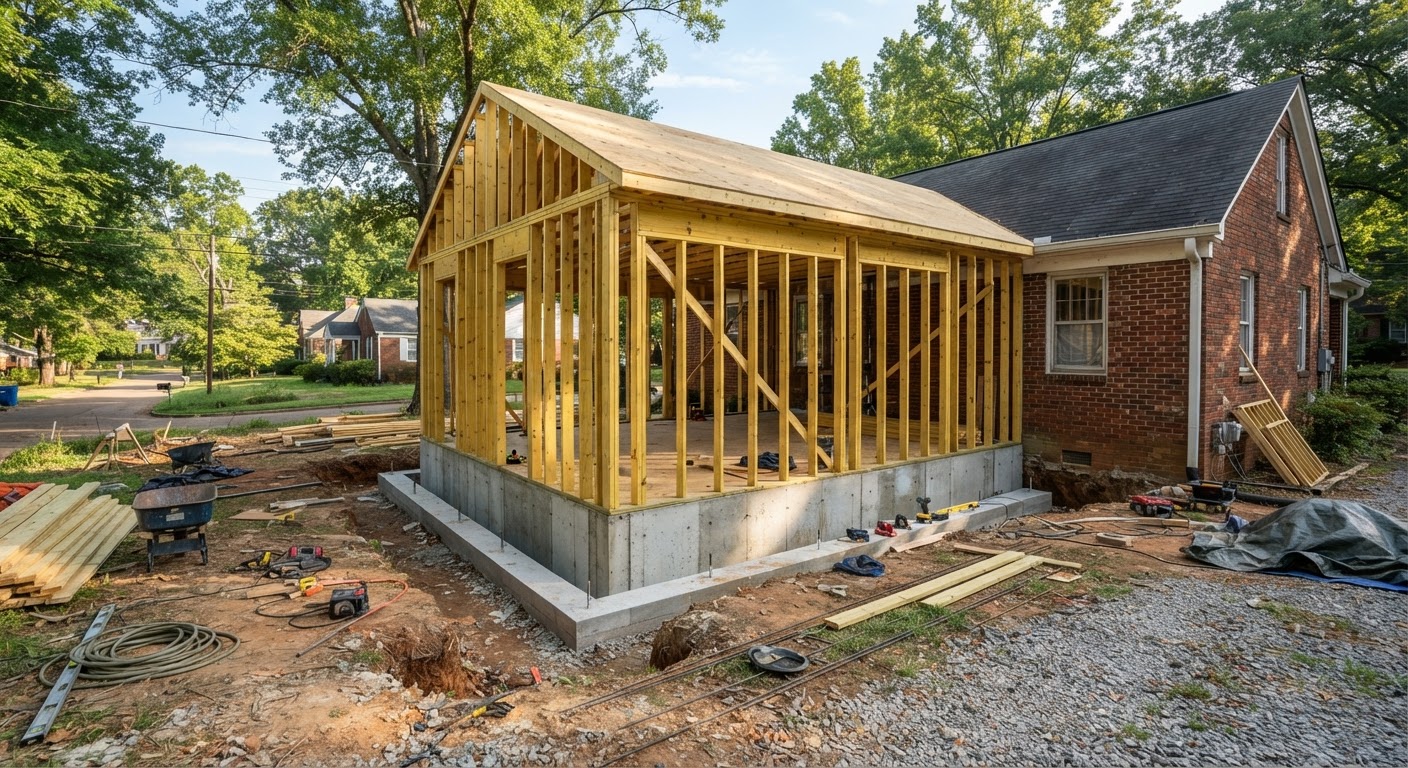
Adding on to your home is an exciting milestone. Whether you are expanding your kitchen, building a sunroom, or adding a master suite, a home addition allows you to gain functional space without giving up the neighborhood you love. However, groundbreaking in Birmingham comes with an often-overlooked biological reality: subterranean termites are exceptionally active in Alabama's warm, humid climate and rich soil.
When you disturb the soil around your home to pour footings, extend slabs, or frame new exterior walls, you disrupt any existing termite barriers that were previously protecting your house. Without a deliberate termite pre-treatment strategy integrated directly into your construction schedule, your brand-new addition can quickly become an open doorway for wood-destroying pests.
Why Home Additions Create New Termite Vulnerabilities
Subterranean termites forage constantly through the soil in search of cellulose. In natural environments, they feed on fallen branches and decaying tree roots. In residential settings, they target structural framing, baseboards, subflooring, and even the paper backing on drywall.
Building an addition creates several vulnerabilities that do not exist in undisturbed structures:
- Disturbed Soil Barriers: If your home was previously treated with a liquid termiticide barrier, excavation equipment, trenching for plumbing lines, and foundation grading will break that continuous chemical zone.
- Moisture Accumulation: Newly graded earth, freshly poured concrete, and changes in rooflines can temporarily direct moisture toward the foundation, creating the exact humid conditions subterranean termites thrive in.
- Direct Wood-to-Ground Contact: Temporary form boards, grade stakes, or improperly installed sill plates can create hidden bridges between the soil and structural timber.
The Construction Seam: Understanding the Cold Joint
The single most vulnerable structural area of any home addition is the junction where the new foundation meets the old one. In concrete construction, this connection is commonly referred to as a "cold joint."
Even when contractors use rebar pins and modern bonding agents to tie the new slab or foundation wall to the existing structure, the two concrete masses will expand and contract at slightly different rates as temperatures and moisture levels fluctuate throughout the year. Over time, microscopic hairline fractures inevitably form along this joint.
Subterranean termites require a gap of only 1/32 of an inch—roughly the thickness of a business card—to pass through concrete obstacles. A cold joint provides a direct subterranean highway from deep within the soil straight into your subfloor and wall cavities, completely hidden from casual visual inspection.
The Stages of Termite Pre-Treatment for Additions
Treating a home addition is not a one-step task that happens after the drywall is painted. Effective termite defense requires a multi-stage approach coordinated around key construction milestones.
1. Soil Pre-Treatment (Pre-Slab Application)
Before any concrete is poured for a slab foundation, footings, or crawl space piers, the graded soil must be treated with a dedicated termiticide. This creates an impenetrable horizontal barrier directly beneath the footprint of the new structure.
This application must happen after the ground is excavated, gravel beds are laid, and rough plumbing trenches are backfilled, but immediately before the contractor installs the moisture vapor barrier and pours the concrete. If the treatment happens too early, subsequent digging by subcontractors can compromise the barrier. If it happens too late, the ground is sealed beneath tons of cured concrete and can no longer be evenly treated.
2. Borate Wood Treatments
Once the addition is framed and dried in—meaning the roof decking and house wrap are installed to protect the structure from rain—a borate wood treatment can be applied to the framing lumber. Specialists apply this mineral-based solution directly to the bottom two to three feet of all studs, sill plates, and structural sheathing.
The borate solution penetrates deep into the wood fibers. Because termites must ingest the wood to digest it, borate treatments provide a permanent internal shield that protects structural elements from both termites and fungal decay. This step must be completed before fiberglass insulation and drywall are installed, as access to the bare wood is permanently lost once walls are enclosed.
3. Final Perimeter and Exterior Treatment
The final phase takes place after all construction, masonry, exterior painting, and final landscape grading are finished around the perimeter of the new addition. Technicians establish a continuous vertical barrier along the new exterior foundation walls by trenching and treating the backfill soil.
If your property relies on a subterranean termite baiting system rather than a liquid barrier, this final stage involves relocating, adjusting, or adding new bait stations around the expanded footprint of the home to ensure complete coverage without wide gaps.
Timing and Contractor Coordination: Why Every Hour Counts
One of the most common pitfalls homeowners encounter during an addition is poor timing between general contractors and pest control professionals. Construction schedules move rapidly, and concrete trucks run on rigid delivery windows.
Once a concrete supplier is scheduled, delays can be expensive. For a soil pre-treatment to be effective and compliant with state standards, the pest technician must have access to the bare grade just prior to the pour. Homeowners should communicate early with their general contractor to establish clear timelines, ensuring the pest control team is notified at least several days before the concrete arrives on site.
What Happens to Your Existing Termite Bond?
Many homeowners in Birmingham maintain an active termite warranty or bond on their property. These agreements typically cover annual inspections and re-treatments (and in some cases, structural repair costs) if termites are discovered.
However, almost every standard termite agreement contains a specific clause regarding home additions and renovations. If you alter the structure, excavate around the perimeter, or build a new living area without formally notifying your pest control provider and having the new space treated, you risk voiding your entire warranty.
By involving your pest control company during the planning phase of your addition, you can ensure the new space receives certified documentation, seamlessly incorporating the new square footage into your active coverage without any lapse in protection.
Protecting Your Birmingham Home Addition
Building an addition represents a substantial financial and emotional investment. Taking the time to properly coordinate termite pre-treatments safeguards that investment from the ground up, preventing structural damage that could take years to notice and tens of thousands of dollars to repair.
If you are drawing up plans or breaking ground on a home renovation in Birmingham, contact Alder Crest Pest Control today. Our team can work alongside your builder to ensure your new foundation, framing, and perimeter are thoroughly protected against subterranean termites from day one.
Need help from Alder Crest Pest Control?
Contact our team to discuss your service needs in Birmingham and surrounding service areas.