The Risks of Buying a Birmingham Home Without an Official Wood-Destroying Insect Infestation Report
Skipping a Wood-Destroying Insect Infestation Report when buying a home in Birmingham can leave you vulnerable to catastrophic repair costs and hidden structural damage.
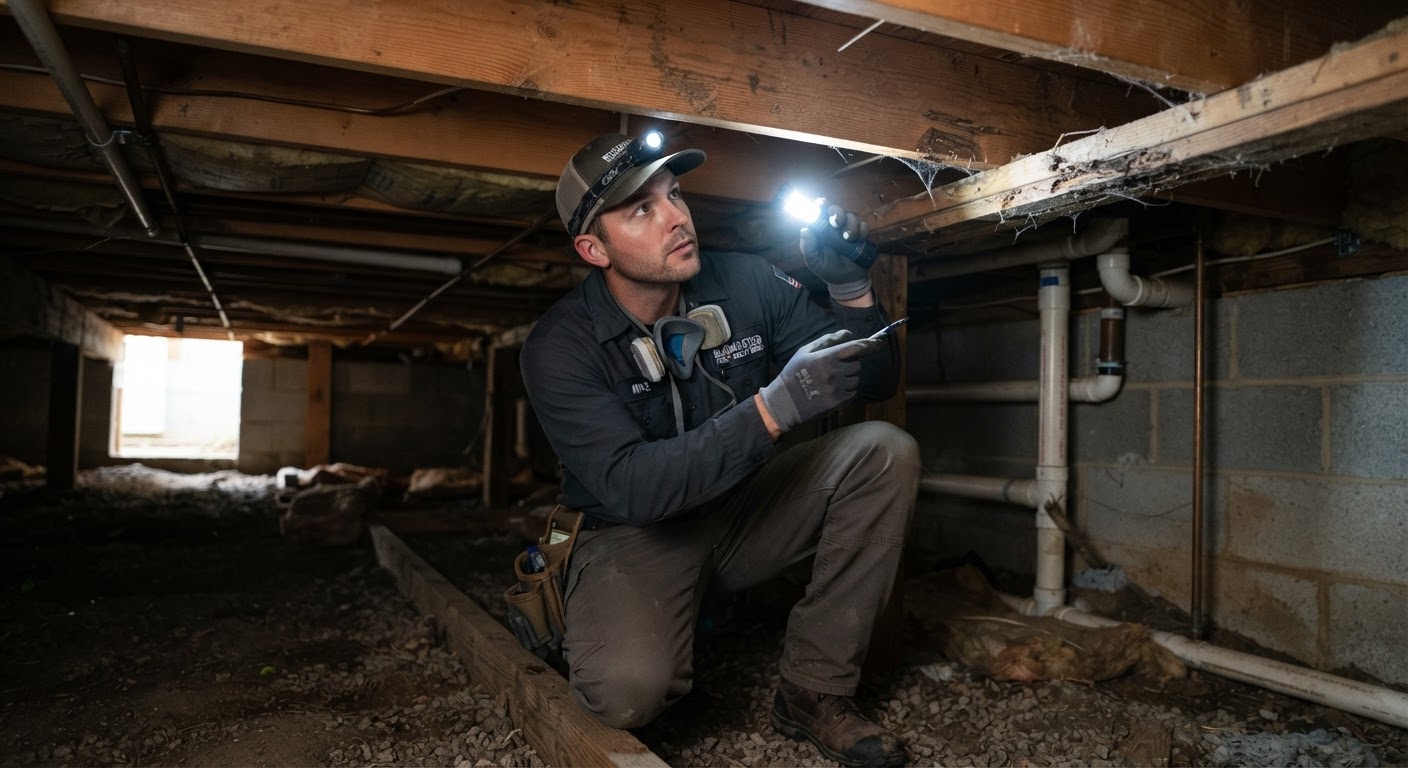
The High Cost of Overlooking Wood-Destroying Organisms
Purchasing a home is one of the largest financial investments most people will ever make. In a fast-moving real estate market, buyers are often tempted to streamline the closing process by waiving certain assessments or relying solely on a standard home inspection. In Birmingham, Alabama, skipping an official Wood-Destroying Insect Infestation Report (WDIR), commonly known as a WDO report, is a gamble that frequently leads to expensive, heartbreaking surprises.
Central Alabama sits squarely in a region recognized for intense wood-destroying insect activity. The combination of long, humid summers, moderate winters, and damp soil creates an ideal environment for subterranean termites, wood-boring beetles, and wood-decay fungi. Without a dedicated assessment conducted by an experienced pest management professional, hidden structural damage can go entirely unnoticed until long after closing day.
Understanding the Official WDIR
A Wood-Destroying Insect Infestation Report is a standardized legal document prepared by a licensed pest control professional. Unlike a standard home inspection, which evaluates the broad functionality of a property—such as electrical panels, plumbing fixtures, roof shingles, and HVAC units—a WDIR focuses exclusively on signs of current and past activity from wood-destroying organisms.
An official report details several critical findings:
- Active infestations of subterranean termites, powderpost beetles, carpenter ants, or carpenter bees
- Visible evidence of prior infestations, such as abandoned mud tubes or insect exit holes
- Evidence of previous chemical treatments, such as drill marks in concrete slabs or foundation walls
- Structural damage resulting from pest activity that may require evaluation by a general contractor
- Conducive conditions that invite future infestation, including standing water, poor crawl space ventilation, or direct earth-to-wood contact
Why Birmingham Homes Face Exceptional Termite Pressure
Geography and architecture intersect in Birmingham in ways that favor wood-destroying pests. The local climate provides the continuous moisture and warmth that subterranean termites need to thrive. Unlike pests that go dormant during cold northern winters, termites in Central Alabama remain active in deep soil layers even through December and January, resurfacing vigorously as spring rains arrive.
The physical landscape also plays a major role. Birmingham's red clay soil retains water for prolonged periods after heavy rains, maintaining high relative humidity beneath foundations. Older homes in neighborhoods like Highland Park, Forest Park, and Crestwood often feature traditional vented crawl spaces built with heavy timber framing. If these crawl spaces experience dampness, framing timbers absorb moisture, softening the wood and creating an open invitation for both subterranean termites and wood-decay fungus.
Modern suburban developments in areas like Hoover, Trussville, or Vestavia Hills are not immune either. Slab-on-grade foundations feature plumbing penetrations, expansion joints, and weep screeds that termites use as concealed highways into wall cavities, bypassing visible exterior surfaces entirely.
The Critical Difference Between a Standard Home Inspection and a WDIR
Many prospective buyers assume that because they hired a licensed home inspector, their future home has been thoroughly vetted for pests. While home inspectors perform an essential service, their scope of work is intentionally broad. They may note visible, glaring termite damage if it intersects with an area they are actively inspecting, but they are not typically trained or licensed to issue official pest findings.
A pest control specialist approaches the home through a specialized diagnostic lens. They know how to identify faint mud tubes concealed behind insulation, distinguish old structural beetle damage from active frass, and locate subtle blistering in baseboards or hardwood floors. Relying solely on a general inspection report leaves a massive blind spot, as standard home inspection contracts usually contain explicit disclaimers exempting the inspector from liability regarding hidden insect damage.
The Dangerous Temptation for Cash Buyers and 'As-Is' Purchases
Many government-backed loans, including VA and FHA mortgages, legally mandate a clear WDIR before approving financing. However, conventional lenders do not always enforce this requirement, and cash buyers are under no institutional obligation to obtain one. In competitive market conditions, buyers often waive contingencies to make their offers more attractive to sellers, or they agree to purchase properties in "as-is" condition.
Waiving the WDIR under these circumstances carries extraordinary risk. When you buy a home "as-is" without a wood-destroying insect report:
- Insurance will not help you: Almost all standard homeowner insurance policies specifically exclude termite and insect damage from coverage, classifying it as preventable maintenance rather than sudden peril.
- Repair costs fall entirely on you: Replacing load-bearing sill plates, floor joists, rim joists, and subfloors can run into tens of thousands of dollars, often requiring specialized hydraulic jacking to stabilize the structure during repairs.
- You lose negotiation leverage: Discovering damage before closing allows you to negotiate seller concessions, request a treatment escrow, or walk away from an unstable investment entirely. Once the deed is recorded, all financial burden transfers to the buyer.
Beyond Termites: Other Wood-Destroying Threats
While subterranean termites grab the most attention, an official WDIR also examines structures for other destructive organisms common to Alabama:
Powderpost Beetles
These tiny wood-boring beetles lay eggs in unfinished wood. The larvae bore into structural joists and subflooring over several years, reducing the interior of structural lumber to a fine, flour-like powder. Infestations are particularly prevalent in older Birmingham homes with damp subflooring or untreated rough-sawn lumber.
Wood-Decay Fungi
Frequently referred to as "wood rot," this biological growth breaks down cellulose and lignin within framing timber when moisture levels exceed acceptable thresholds. Fungi weaken wood just as aggressively as insects, and widespread fungal rot often indicates underlying drainage or ventilation problems that will continue to plague the property.
Carpenter Ants
Carpenter ants do not consume wood, but they excavate extensive galleries inside damp framing to create nesting chambers. Over time, their tunneling hollows out structural components, compounding moisture issues and weakening load-bearing walls.
What to Do if an Infestation Is Identified
Receiving an inspection report that indicates pest activity is not necessarily an immediate reason to abandon a purchase. In a market with older, historic housing stock, evidence of past activity is relatively common. What matters most is whether the activity is active or historic, whether a transferable warranty exists, and whether structural integrity has been compromised.
If the report flags an active infestation, you can require the seller to pay for professional remediation and structural repair before closing, or negotiate an equivalent financial credit. If the report identifies conducive conditions—such as earth-to-wood contact or excessive crawl space humidity—you can plan proactive maintenance steps to secure the property immediately upon taking ownership.
Protect Your Investment Before Closing
The cost of obtaining a Wood-Destroying Insect Infestation Report is minor compared to the total purchase price of a home, yet it provides invaluable protection against hidden structural failure. Before signing final closing documents on any Birmingham property, schedule an official WDIR evaluation with Alder Crest Pest Control to ensure your new home rests on a solid, pest-free foundation.
Need help from Alder Crest Pest Control?
Contact our team to discuss your service needs in Birmingham and surrounding service areas.