Scratching in the Ceiling: How to Identify Mice, Rats, or Squirrels in Your Attic
Hearing mysterious noises in your ceiling? Learn how to differentiate between mice, rats, and squirrels using sound patterns, droppings, and attic evidence.
Unwelcome Sounds in the Ceiling
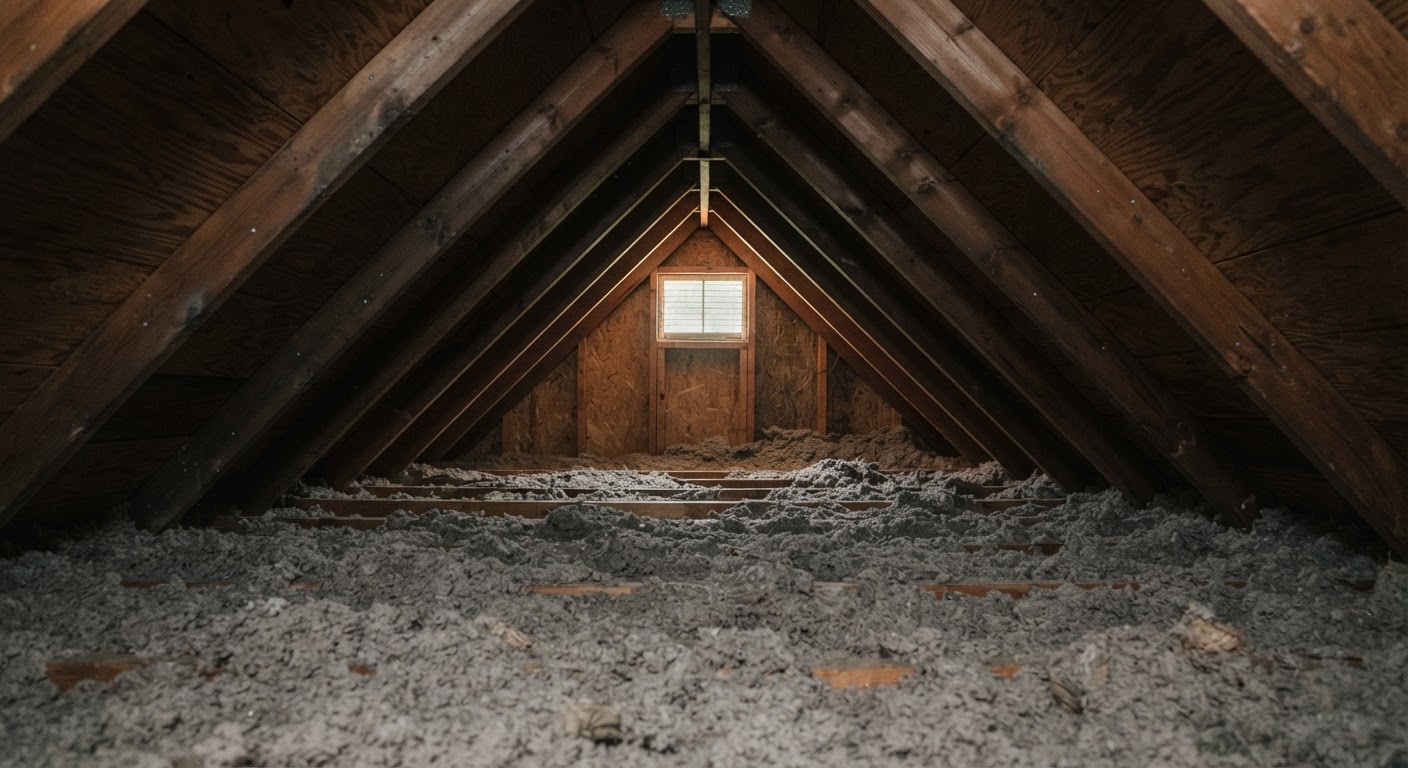
Lying in bed at night or sitting in a quiet living room only to hear faint scurrying, gnawing, or scratching overhead is an unsettling experience for any homeowner. The space between your drywall ceiling and roof deck provides an insulated, quiet, and protected environment for wildlife and rodents looking to escape harsh outdoor temperatures, find shelter, or build nests for their young.
In the Birmingham area, where neighborhoods are characterized by lush tree canopies, mature oak trees, and historic rooflines, attics are frequently targeted by three common pests: mice, rats, and squirrels. While their presence can sound quite similar from below, each species behaves differently, presents distinct risks to your home, and requires a tailored approach to remove. Correctly identifying which creature is overhead is the first critical step toward resolving the problem.
The Timing of the Noise: Day vs. Night
One of the simplest ways to narrow down the identity of the animal in your ceiling is to pay close attention to the clock when the activity occurs.
Daytime Activity: Likely Squirrels
Eastern gray squirrels and southern flying squirrels are common across central Alabama. Gray squirrels are strictly diurnal, meaning they are active during the day. If you hear frantic scrambling, rapid footsteps, or rolling sounds (often nuts or acorns being moved) early in the morning shortly after sunrise or in the late afternoon, you are almost certainly dealing with gray squirrels. They leave the attic during daylight hours to forage in nearby trees and return in the afternoon to settle down.
The exception to this rule is the southern flying squirrel. Unlike their larger gray relatives, flying squirrels are nocturnal and highly social. If you hear light, rapid running or soft thumps in your attic late at night, a colony of flying squirrels could be the cause.
Nighttime Activity: Likely Mice or Rats
Both house mice and rats (predominantly roof rats in the Southeast) are nocturnal creatures. They avoid human interaction and prefer to forage in the dark. If the scratching, scrambling, and squeaking only begin after dusk and persist until dawn, you are most likely dealing with a rodent infestation rather than standard tree squirrels.
Evaluating the Sound Patterns
Different pests move and behave differently within your insulation and along ceiling joists. The intensity, rhythm, and location of the noises can reveal a lot about the intruder.
- Faint, light scratching and scurrying: House mice weigh less than an ounce. Their movements across ceiling drywall and through loose fiberglass insulation sound like delicate tapping, light paper rustling, or faint scratching. If the sound moves through wall voids rather than staying strictly in the attic floor, mice are strong suspects due to their ability to navigate vertical utility shafts and narrow stud cavities.
- Heavy scurrying, dragging, and gnawing: Roof rats are considerably larger than mice, averaging six to eight inches in body length plus a long tail. Their movement sounds deliberate, heavier, and more frantic. You may hear deep, rhythmic chewing or gnawing sounds as they wear down their teeth on wooden rafters, plumbing PVC, or electrical conduit.
- Fast, erratic sprinting and jumping: Squirrels move quickly. Because they run across open attic floorboards and joists with speed, their footsteps sound much louder, heavier, and more athletic than mouse activity. Homeowners often describe squirrel activity as sound resembling a small animal rolling a marble or bowling ball across the floor.
Inspect the Evidence: Droppings and Nesting Habits
If you suspect something is nesting in your ceiling, a safe, visual check of the attic access opening or floor can provide concrete physical evidence. Always use a high-powered flashlight and wear appropriate protective gear, such as a dust mask or respirator, before inspecting attic spaces.
Pellet Size and Shape
Droppings are the most definitive visual indicator of pest identity:
- Mouse droppings: Small, roughly the size of a grain of rice (about one-eighth to one-quarter of an inch long) with pointed ends. They are typically scattered randomly along travel routes, near attic access stairs, or close to stored cardboard boxes.
- Rat droppings: Noticeably larger than mouse droppings, usually around half an inch in length. Roof rat droppings are spindle-shaped with distinctly pointed ends, while Norway rat droppings (which are rarer in attics) are blunt and capsule-shaped. Rat droppings are often found clustered in specific toilet areas rather than spread out completely at random.
- Squirrel droppings: Similar in size to rat droppings (around half an inch), but generally thicker with rounded ends. Fresh squirrel droppings often have a lighter, greenish-brown tint depending on their diet of bark, buds, and acorns, and they tend to dry out and lighten in color much faster than rat droppings.
Nesting Materials and Structural Damage
Take note of how the attic insulation and surrounding materials have been altered:
- Tunneling in insulation: Mice and rats burrow directly through fiberglass or blown-in cellulose insulation, leaving distinct trail networks and submerged tunnels beneath the surface.
- Shredded, messy nests: Squirrels bring exterior debris inside. If you see oak leaves, small twigs, pine needles, shredded fabric, or torn cardboard built into a chaotic pile in a corner or between rafters, it is almost certainly a squirrel nest (drey).
- Food caches: Piles of chewed pinecones, hickory shells, or acorns hidden under insulation or behind boxes point directly to squirrels.
Why Prompt Identification and Action Matters
Ignoring scratching sounds in the ceiling allows minor intrusions to expand into structural problems and potential safety hazards.
Electrical Fire Risks
All rodents and squirrels possess continuously growing incisor teeth that must be kept sharp and trimmed through constant chewing. In attic spaces, this instinct often leads them to chew through the plastic sheathing of electrical wiring. Exposed live wires hidden beneath dry insulation present a severe, unseen fire hazard in residential homes.
Damage to Attic Insulation and Air Quality
Pests compress, trample, and contaminate attic insulation with urine, feces, and hair. As heat rises through your home, contaminated attic air can circulate into living areas through ceiling penetrations, recessed lighting fixtures, and HVAC ductwork leaks, aggravating allergies and respiratory sensitivities.
Structural Wood Damage
Over time, squirrels and rats can gnaw on attic trusses, rafter tails, and fascia boards, enlarging entrance holes and allowing rainwater to enter, which can lead to wood rot and roof leaks.
Steps to Take for a Peaceful Ceiling
Identifying whether you have mice, rats, or squirrels is only half the battle. Successful pest control requires addressing the conditions that allowed them inside in the first place:
- Trim overhanging branches: Maintain at least six to eight feet of clearance between your roofline and tree canopies to eliminate natural bridges used by squirrels and roof rats.
- Inspect roof penetrations: Ridge vents, soffit returns, gable vents, and plumbing boot flashings are frequent entry points. Gaps larger than a pencil tip can allow mice inside, while rats and squirrels can widen quarter-sized openings.
- Avoid poisoning in attics: Applying retail rodenticides in attics often causes animals to perish inside inaccessible wall voids or floor joists, creating significant odor problems and insect issues.
If scratching sounds in your ceiling are disturbing your peace of mind, contact Alder Crest Pest Control. Our experienced technicians perform thorough attic inspections to identify the exact pest species, safely clear infestations, and seal vulnerabilities around your Birmingham home to keep your attic quiet and secure.
Need help from Alder Crest Pest Control?
Contact our team to discuss your service needs in Birmingham and surrounding service areas.