Behind the Paint: How to Spot Spongy Baseboards, Drywall Pinholes, and Indoor Termite Activity
Termites rarely announce their presence out in the open. Learn how to recognize subtle indoor warning signs—such as spongy baseboards, pinholes in drywall, and hollow trim—before extensive structural damage develops.
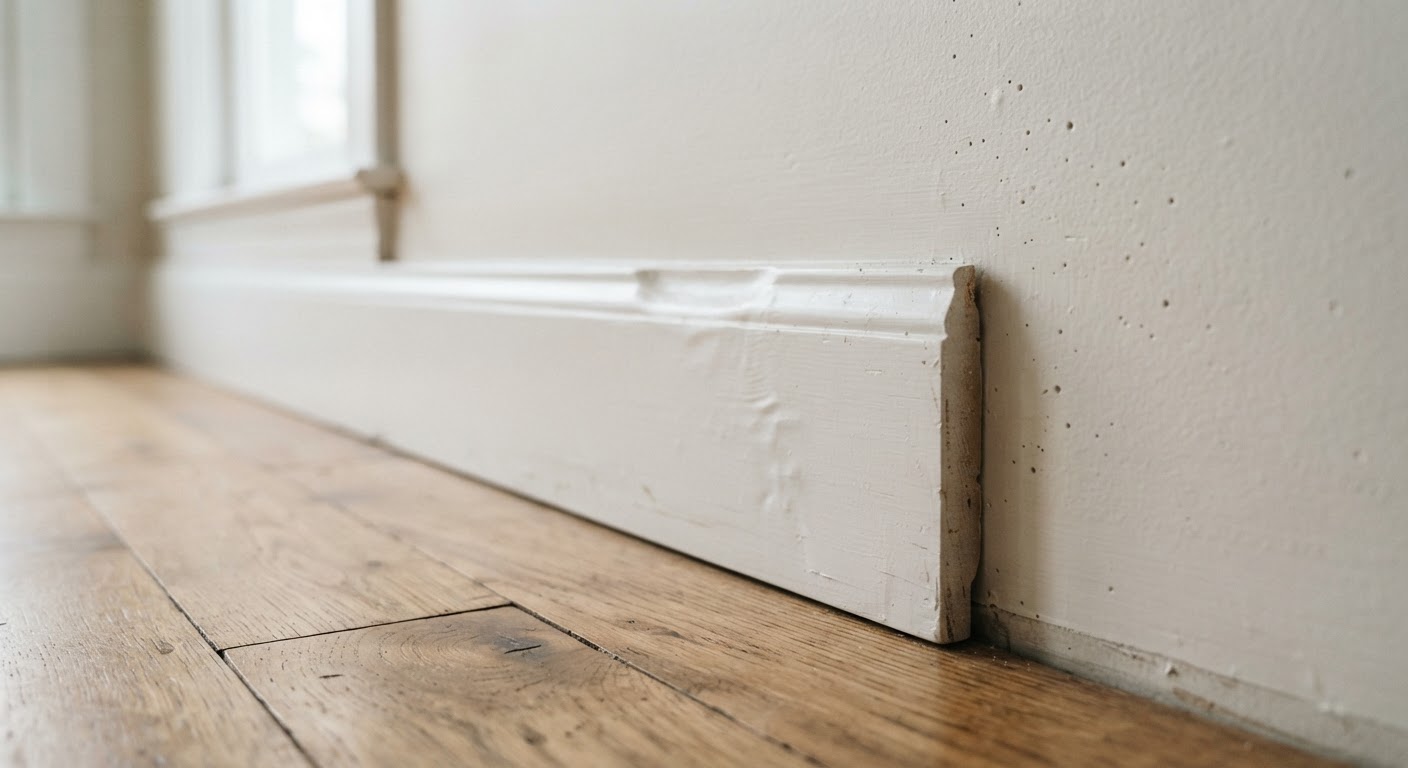
When homeowners picture termite damage, they often imagine crumbling foundation timbers, sagging rooflines, or dramatic spring swarms of winged insects hovering near windows. While those warning signs certainly happen, subterranean termites frequently operate undetected right inside living spaces long before any catastrophic structural failure takes place. Because these pests require constant humidity and total darkness to survive, they feed from the inside out, consuming structural framing, subflooring, and finish carpentry while leaving paper and paint layers intact.
By the time evidence shows up on the interior side of a wall, an infestation has usually been active for months or even years. Knowing how to read the subtle changes in your trim, flooring, and drywall can mean the difference between an isolated repair and a major structural overhaul.
The Biology of Concealed Damage
In Central Alabama, Eastern subterranean termites are responsible for the vast majority of structural wood damage. These social insects live in large underground colonies and travel through the soil in search of cellulose. When they discover a food source—whether that is a foundation sill plate, a wall stud, or the paper backing on gypsum drywall—they construct airtight mud tubes to maintain a humid microclimate as they work.
Subterranean termites avoid light and open air at all costs. As worker termites feed, they meticulously avoid chewing through the very exterior surface of whatever material they are consuming. When attacking a wooden baseboard, window stool, or door jamb, they leave the thinnest outer veneer of wood and paint undisturbed. To a casual glance, the trim looks perfectly normal, but behind that thin coat of latex or enamel paint, the solid wood has been reduced to an empty, layered honeycomb.
Telltale Indoor Warning Signs
Because termites work covertly, discovering them indoors requires paying attention to minor visual and tactile irregularities in your finish surfaces. Several distinct clues point toward concealed interior activity.
1. Spongy, Yielding Baseboards and Door Trim
Solid baseboards should not flex or sink under light pressure. One of the most common ways homeowners accidentally uncover an active infestation is during routine housework, such as vacuuming or moving furniture. If a vacuum cleaner nozzle bumps a baseboard and punches straight through the wood, or if a piece of quarter-round molding gives way like soft cardboard, termites have likely hollowed out the interior structure.
Similarly, door jambs and baseboards near exterior entrances or plumbing lines may develop a slightly wavy or sunken surface. When you run your thumb across the face of the wood, it may feel soft or spongy rather than firm and rigid.
2. Drywall Pinholes and Mud Plugs
Drywall paper contains high-quality cellulose, making sheetrock a prime target for subterranean termites once they access wall cavities. As termites harvest the paper backing and core facing of sheetrock, workers occasionally breach the outer surface of the wall by mistake.
Because air exposure can quickly dehydrate and kill the colony, worker termites act immediately to seal these tiny openings. They plug the holes with a mixture of soil, saliva, and digested wood pulp. These appear on painted walls as:
- Tiny, dark pinholes roughly the size of a pencil lead or smaller.
- Small, slightly raised brown specks of dried mud on sheetrock, often mistaken for stray dirt or nail pops.
- Clusters of minute holes near electrical outlets, baseboard edges, or baseboard corners.
If you wipe these spots away, termites inside the wall will typically reseal them within hours or days if the colony remains active.
3. Bubbling, Peeling, or Rippling Paint
Termites introduce continuous moisture into wall assemblies through their mud galleries and metabolic processes. As wood and drywall become compromised from within, the moisture they transport gets trapped directly behind the surface layer of paint.
This trapped humidity causes paint to blister, flake, or develop an uneven rippled texture similar to an early-stage plumbing leak. Homeowners frequently misinterpret these blistered spots as condensation issues or bathroom water damage, only to discover completely dry framing beneath the paint once the moisture dries out.
4. Hollow-Sounding Wood
When termites feed on structural framing or heavy trim, they carve out galleries parallel to the wood grain, consuming the softer springwood and leaving the denser summerwood behind. This creates hollow cavities throughout the board. Tapping suspect areas along baseboards, door frames, or stair treads with a solid tool handle or the back of a screwdriver produces a distinctive dull, hollow thud rather than the sharp snap of dense, healthy wood.
Why Birmingham Homes Are Susceptible to Interior Activity
Birmingham's climate and construction styles create an ideal environment for subterranean termites. The region experiences long, humid summers, mild winters, and abundant annual rainfall, ensuring the soil remains damp and warm enough for termite colonies to feed year-round.
Furthermore, local home construction methods provide subtle entry pathways:
- Slab-on-Grade Foundations: Settling slabs often develop hairline expansion cracks. Termites can squeeze through openings as narrow as 1/32 of an inch, traveling up through plumbing penetrations or beneath carpet tack strips without ever building visible external mud tubes on an exterior foundation wall.
- Crawl Space Transitions: High humidity levels in unsealed crawl spaces allow subterranean termites to move effortlessly from damp soil into sill plates, subfloors, and internal partition walls.
- Brick Veneer Weep Holes and Porch Slabs: Where concrete patios or brick ledges meet interior floors, termites find covered transitions that lead straight into interior trim without exposing the insects to open air.
How to Check Suspect Areas Safely
If you notice a soft spot on your baseboard or strange pinholes on a sheetrock wall, resist the urge to pull off the trim or tear open large sections of drywall. While curiosity is natural, disturbing a large section of termite galleries can cause the colony to temporarily withdraw from that specific feeding zone and relocate deeper into inaccessible framing, making effective treatment more difficult to monitor.
Instead, follow these basic steps:
- Perform a Gentle Press Test: Use the pad of your thumb to firmly press along suspect sections of baseboard, especially near exterior doors, bathrooms, and laundry areas. Take note of any areas that depress or sound papery.
- Inspect with a Bright Flashlight: Hold a flashlight flat against the wall surface at a sharp angle. This grazing light casts small shadows that make tiny drywall pinholes, mud patches, and subtle paint ripples much easier to identify.
- Check Adjacent Baseboards: If you find an irregularity on a partition wall, inspect the baseboards on the opposite side of that same wall. Termites frequently work their way through both sides of an interior wall cavity.
- Document the Area: Take clear, close-up photographs of the suspected damage. Avoid spraying retail aerosol insecticides into the holes, as these products disperse termites to other parts of your home rather than eliminating the underground colony.
Taking Action Against Hidden Termite Activity
Discovering soft wood or mud pinholes inside your home confirms that termites have found an entry pathway past your foundation and into structural or finish materials. Because surface signs represent only the visible fringe of an active colony, dealing with subterranean termites requires an integrated approach that targets the root source in the surrounding soil.
Professional termite management involves assessing the full perimeter of the home, identifying the hidden entry points through slabs or crawl spaces, and deploying targeted liquid barriers or advanced baiting systems designed to eliminate the entire colony. Addressing the issue at the first sign of spongy trim protects the structural integrity of your home before minor cosmetic damage turns into extensive carpentry repairs.
If you suspect active termites inside your baseboards, trim, or drywall, Alder Crest Pest Control provides comprehensive residential termite inspections and targeted treatment solutions for homeowners across the Birmingham area.
Need help from Alder Crest Pest Control?
Contact our team to discuss your service needs in Birmingham and surrounding service areas.