Coming Up the Pipes: Why Large Roaches Invade Birmingham Sinks and Showers
Finding a giant cockroach crawling out of a shower or bathroom sink is a common shock for Birmingham homeowners. Learn why large roaches use your plumbing to enter and how to stop them.
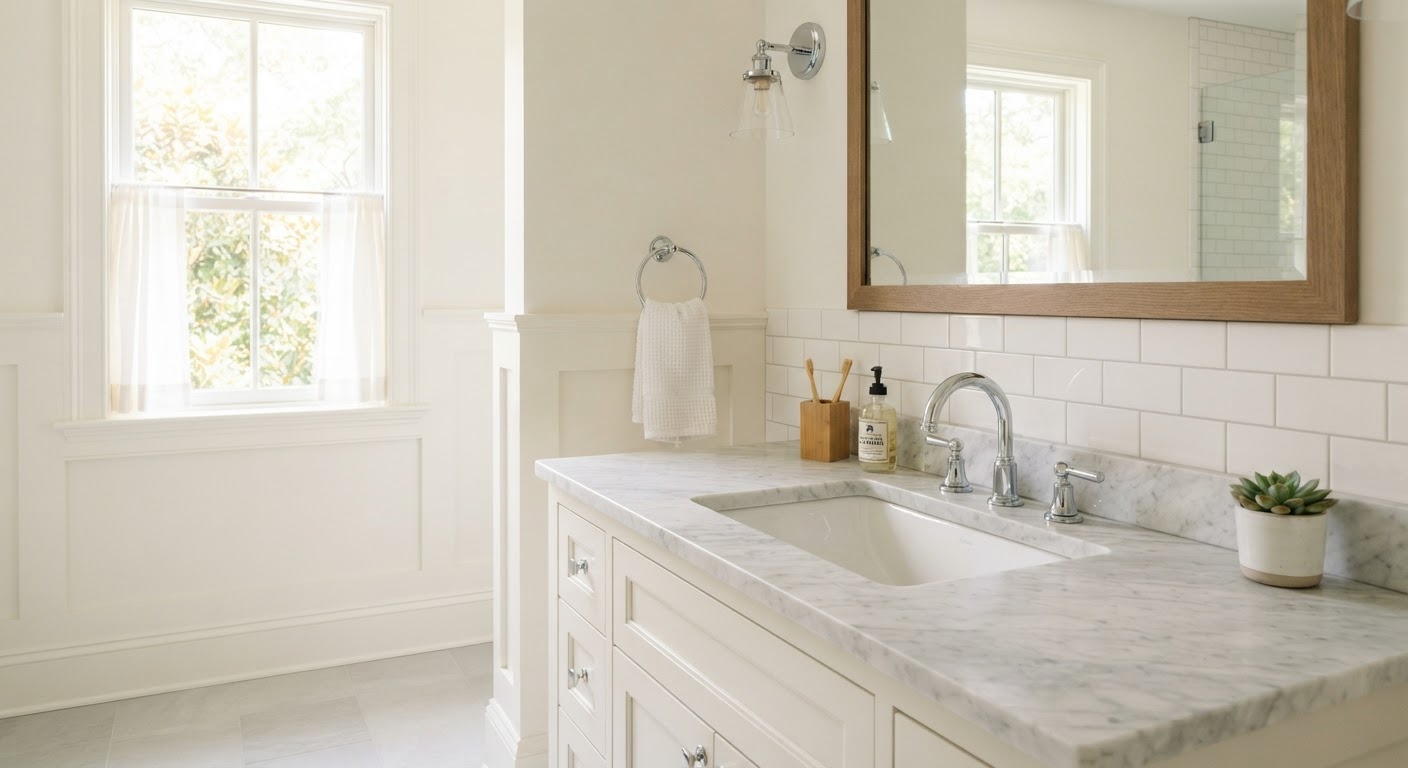
Few domestic discoveries are quite as jarring as stepping into a bathroom late at night, flicking on the light switch, and spotting a massive cockroach clinging to the edge of the sink or scurrying across the shower floor. In Birmingham and across Central Alabama, this is an unsettlingly frequent experience. When homeowners encounter these large pests in porcelain basins, the immediate assumption is often that the insects crawled directly up through the drain pipe.
While that assumption is often correct, the biology behind why these insects navigate plumbing systems—and how they bypass modern home safeguards—reveals much about how homes interact with the local environment. Understanding the habits of these species and the mechanical design of your drainage system is the first step toward keeping them out of your living space.
Identifying the Culprits: American vs. Smokybrown Cockroaches
When Birmingham residents talk about giant roaches emerging from drains, they are almost never referring to German cockroaches, which are small, light brown, and typical indoor infesting pests that colonize pantries and kitchen cabinets. Instead, drain-associated invaders are almost always peridomestic species—cockroaches that normally live outdoors or in underground utility systems but occasionally enter structures.
The two most common species involved in drain encounters in our area are:
- American Cockroaches (Periplaneta americana): Often colloquially termed "waterbugs" or "palmetto bugs," these are the largest home-invading roaches in Alabama, easily reaching an inch and a half to two inches in length. They are reddish-brown with a pale yellowish figure-eight pattern behind their head. They thrive in municipal storm sewers, commercial sewer lines, and steam tunnels.
- Smokybrown Cockroaches (Periplaneta fuliginosa): Slightly smaller than American cockroaches, these insects are uniformly dark mahogany or charcoal black. They are heavy moisture lovers that typically nest in tree hollows, thick pine straw, and moist crawl spaces, but they readily enter plumbing stacks and vent pipes on the roof.
Why Cockroaches Congregate in Drainage Networks
To understand why these pests appear in your sink or tub, it helps to view your home’s plumbing from an insect’s perspective. Cockroaches require three primary resources to survive: warmth, high humidity, and decaying organic matter. A drainage system offers an abundance of all three.
Municipal sewer mains, residential lateral sewer lines, and septic tanks provide dark, sheltered travel routes protected from surface predators and harsh weather. Within these pipes, grease, soap residue, shed skin cells, hair, and biological waste accumulate along the pipe walls, creating a continuous source of food. For an American cockroach, the interior of a sewer line is not a hostile environment; it is an ideal habitat.
Because these insects are nocturnal, they actively forage at night, crawling upward through the network of pipes toward residential fixtures. If nothing stops them, the smooth porcelain of a bathroom sink or shower is the first open space they encounter.
The Critical Role of the P-Trap
Modern residential plumbing is designed with a specific mechanical barrier to stop sewer gases—and by extension, pests—from entering living spaces: the P-trap. The P-trap is the U-shaped bend of pipe located beneath every sink, shower, bathtub, and floor drain in your home.
When you run water, a small reservoir remains in the curve of that U-bend. Under normal circumstances, this standing water creates an airtight seal that prevents toxic gases from the public sewer line from backing up into your bathroom. Because cockroaches cannot swim underwater for long distances or breathe submerged, an intact, water-filled P-trap serves as an impenetrable roadblock.
So how do roaches end up in the basin if the P-trap is designed to block them?
1. The Dry Trap Phenomenon
The most common reason large roaches crawl out of a drain fixture is that the trap has dried out. When a sink or shower goes unused for weeks—such as in a guest bathroom, a finished basement, or a utility room—the water inside the U-bend slowly evaporates. Once the water line drops below the bend, the barrier disappears, creating a direct, open highway from the sewer line straight into your room.
2. High-Flow Air Movement and Sewer Disturbances
Heavy rainfall, sudden changes in municipal sewer pressure, or blockages in main lines can push air and water through neighborhood infrastructure. Cockroaches seeking refuge from rising water in storm channels will climb upward into residential lateral pipes. While they generally avoid deep standing water, they can navigate partially drained lines or push past poorly seated cleanout plugs.
3. The Drain as a Destination, Not the Origin
In many cases, the cockroach did not actually climb up through the pipe at all. Smokybrown cockroaches, for instance, frequently enter homes from the outside by crawling under loose door sweeps, through weeping holes in brick veneer, or down through attic plumbing vent stacks that exit through the roof. Once inside the home, these insects become dehydrated quickly in air-conditioned spaces. They actively seek out moisture and gravitate toward sinks, bathtubs, and floor drains to drink water droplets. Because the smooth sides of porcelain and acrylic tubs are too slick for them to climb, they become trapped at the bottom, leading the homeowner to believe they emerged from the drain pipe.
Environmental Factors in Birmingham
The climate and topography of Birmingham play a significant role in drain pest activity. The area experiences prolonged, humid summers punctuated by intense convective thunderstorms. During extended dry spells, municipal sewer levels drop, encouraging roaches to explore higher up the pipe system in search of water. Conversely, when severe summer downpours saturate the ground, municipal drainage networks fill rapidly, forcing roaches up and out of subterranean tunnels to avoid drowning.
Additionally, many established neighborhoods across Birmingham—from Highland Park and Forest Park to older homes in Homewood and Mountain Brook—feature aged plumbing systems. Older cast iron pipes develop rough, pitted interior surfaces over decades of use, offering cockroaches far superior traction compared to modern smooth PVC pipes.
How to Stop Roaches from Entering Through Drains
Addressing roach incursions around plumbing requires a dual approach: eliminating access points through the drainage hardware itself and managing the broader indoor and outdoor environment.
Keep Every P-Trap Primed
Make it a routine to run water for thirty seconds in every sink, shower, and tub in your home at least once every two weeks. Pay special attention to basement floor drains, wet bars, and guest bathrooms. If you have a floor drain that is rarely used, you can pour a small amount of mineral oil down the pipe after running water; the oil sits on top of the water layer and significantly slows down evaporation.
Clean Drain Lines Regularly
The biofilm, soap scum, and hair that line the top section of your drain (above the P-trap) serve as an attractant. Periodically clean your sink overflows and shower drains using an enzyme-based drain cleaner or a bristled drain brush. Removing this organic sludge eliminates the scent trails that lure foraging pests.
Install Mesh Drain Strainers
In showers and bathtubs, replace open grates with fine-mesh stainless steel drain covers. These allow water to flow freely while acting as a physical barricade that stops large insects from emerging onto the floor, even if an individual manages to bypass the trap.
Check Roof Vent Stacks
Your plumbing system includes vent pipes that run vertically through the roof to balance air pressure inside the lines. Smokybrown roaches frequently crawl along tree branches, drop onto the roof, and descend directly into these open vent pipes. Covering roof vent stacks with hardware cloth or specialized pest-proof vent caps prevents pests from entering your internal plumbing system from above.
A Comprehensive Approach to Roach Control
While sealing drains and maintaining plumbing traps handles mechanical entryways, recurring sightings of large roaches usually point to a broader population nesting near the foundation, under dense landscape mulch, or within a crawl space. When perimeter pressures are high, roaches will continually probe for any vulnerability around foundation walls, sill plates, and pipe penetrations.
If large cockroaches continue to appear in your bathrooms or living areas despite maintaining your plumbing traps, Alder Crest Pest Control can help. Our residential pest control services target the exterior harborage zones, crawl space moisture sources, and entry corridors unique to Birmingham homes, stopping pests before they ever reach your interior fixtures.
Need help from Alder Crest Pest Control?
Contact our team to discuss your service needs in Birmingham and surrounding service areas.